Phone:
0086-757-8938 9313
Email:
Address:
Caochang Industrial Zone, Liguang Rd, Lishui, Nanhai, Foshan, Guangdong, China
24/7 online services

Phone:
0086-757-8938 9313
Email:
Address:
Caochang Industrial Zone, Liguang Rd, Lishui, Nanhai, Foshan, Guangdong, China
24/7 online services
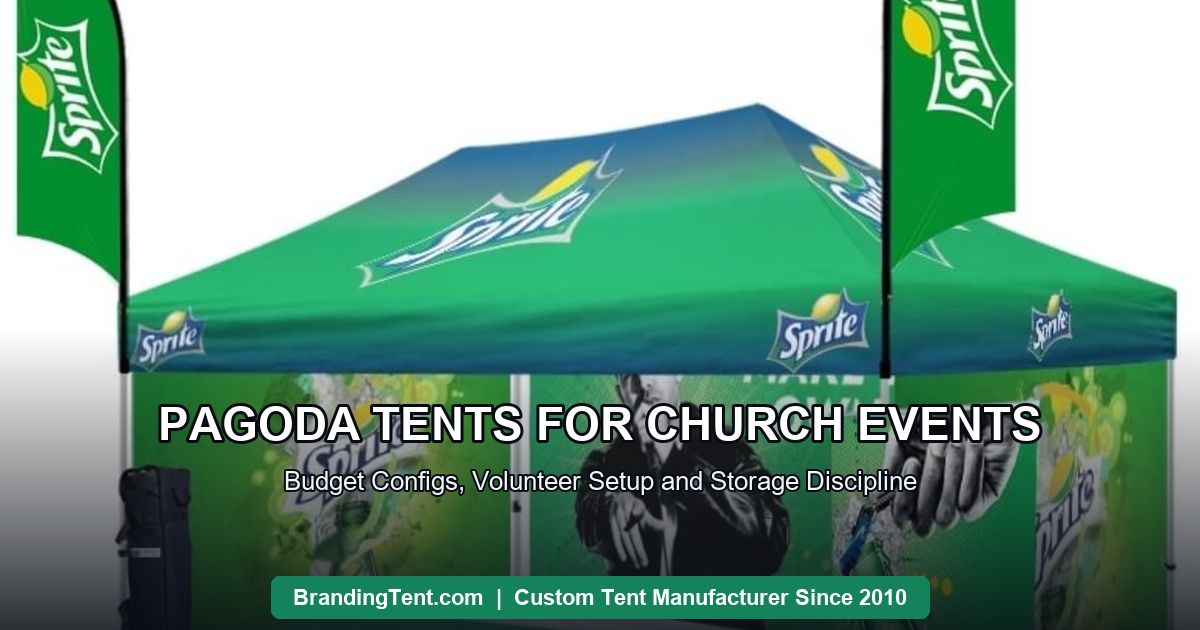
Church and community event programs are the most reliable tent buyers nobody talks about: the calendar repeats every year, the events repeat every month, and the volunteers who set up on Saturday exist in a fixed supply. That combination writes a very specific shopping list — tents that two untrained people can raise in minutes, that store small between events, that survive a thousand cycles of being loved slightly wrong, and that stay inside a nonprofit budget without looking it. This guide maps the configurations that work for congregations and community groups — outreach stations, welcome tents, fundraisers, fellowship meals — with the volunteer math, storage discipline and compliance checklist that make recurring events painless.
1. Frequency beats every spec argument. A tent used thirty times a year amortizes its purchase price to coffee money per event — even mid-grade tents beat rental by the third use. The buying question is not whether, it is which.
2. Volunteers are the crew constraint. Purchases should be sized to the people who actually show up: a 3x3m can be raised by one determined person; 6x6m modules want two to four.
3. Storage is half the product. Church halls, garages and spare rooms are the typical warehouses — tents that pack into wheeled bags with labeled kits survive; tents that need a van and a diagram do not.
1. Welcome and information station. One printed 3x3m with a table cover — the first-timer’s touchpoint, visible and friendly.
2. Outreach and community service point. A 3x3m with full walls and a half wall counter: food distribution, sign-ups, prayer requests, medical drives.
3. Fundraiser and bake-sale stall. 3×4.5m with a printed table cover and half walls — enough counter for product, display and cash box without crowding.
4. Fellowship meals and picnics. A 5x5m or 6x6m module for tables and serving, or two 3x3m joined by a gutter when the guest list is flexible.
5. Festival and fête clusters. Three to five tents in a row — booths, games, food — which is where one factory supplying everything keeps colors and quality uniform.
| Tent | Crew | Setup time | Best volunteer fit |
| 2x2m / 3x3m pop-up | 1-2 | 10-20 min | Welcome stations, single booths |
| 3×4.5m pop-up | 2 | 15-25 min | Fundraisers, food service |
| 3x6m pop-up | 2-3 | 20-30 min | Retail-style stalls, double counters |
| 5x5m / 6x6m pagoda | 3-4 | 40-60 min | Fellowship meals, main stages |
Three volunteer-proofing rules from years of church programs: train two people, not ten — depth survives turnover; label every kit — tent, walls, weights and stakes travel as one named bundle; and practise the first setup on a calm Tuesday, because event-morning practice is how canvas gets torn.
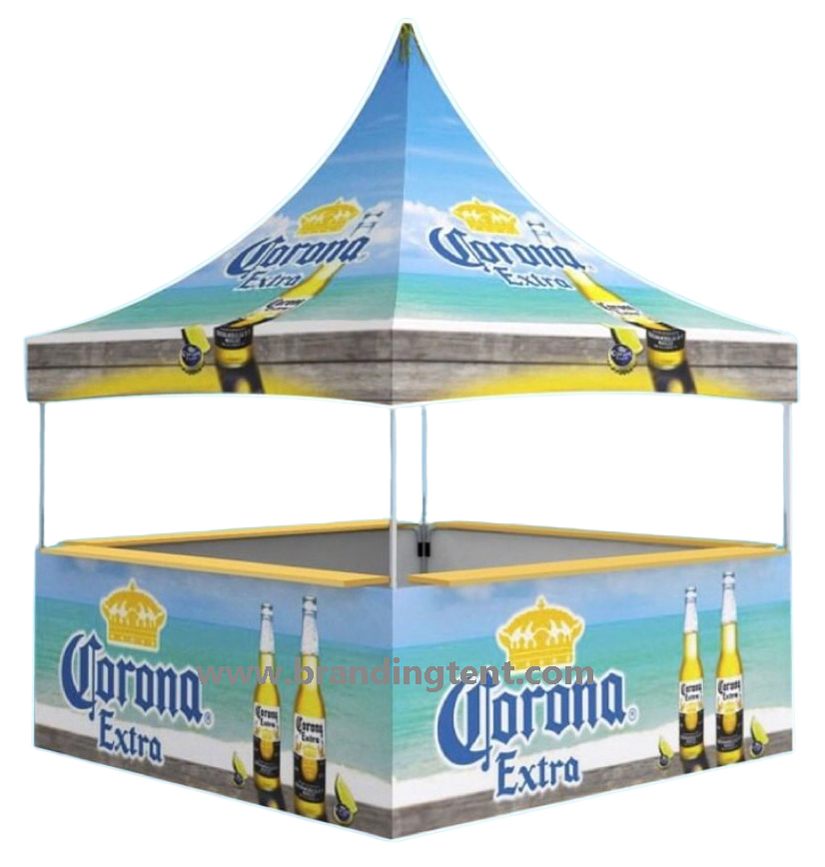
1. Starter tier: 300D-420D oxford pop-ups with powder-coated steel frames — right for sheltered courtyards and a handful of events; accept shorter fabric life and budget for it.
2. Workhorse tier: 600D oxford with PU coating on 40mm-class hexagonal aluminum — the sweet spot for monthly events: prints beautifully, handles a decade of folding with care, packs into trolley bags.
3. Legacy tier: 600gsm PVC for permanent-ish installations — the parish that leaves a tent up all summer. Heavier, dearer, and worth it exactly when the tent stops being portable.
The false economy to avoid: buying the starter tier for a monthly calendar, then replacing it in year two. Check the fabric numbers against our fabric guide before choosing a tier — denier, gsm and wall thickness, in writing.
1. Fire certificates. Schools, councils and halls typically require flame-retardant documentation; order the certificate with the tents once and file per kit — our certificates guide walks through it.
2. Ballast discipline. 15-25kg per leg on any hard standing; volunteers should never improvise with whatever is at hand. Weights live in the kit.
3. Weather rules. A written one-page protocol — lower legs, walls off, take-down triggers — turns a gusty Sunday from a decision into a habit. Our wind guide is written for exactly this audience.
4. Insurance. Most community policies cover tented events if installation follows the manufacturer’s guidance — keep the paperwork per tent and the guidance in the kit.
Honest cases for renting: the once-a-year mega-event where the tent count quadruples beyond your calendar’s needs; the location you will never use again; the structural marquee scales beyond volunteer crews. The recurring two-to-fifty-event calendar, though, is the classic ownership case — and a modest fleet bought from one factory, with color-matched print, quietly becomes the most reused asset the community owns.
The single most useful document a church tent program can own is a one-page setup card per structure, laminated and living in the bag. Ours reads like this: position the four corners, stakes in first; frame out and locked at the first click; canopy on before the legs rise; two people lift together, never one; walls last, starting upwind; weights on every leg before anyone walks away. Then the reverse for pack-down, in the same words.
Why it works: volunteers rotate, memories do not. The card turns setup knowledge into community property — any pair of helpers can run the sequence without a veteran present, and the veteran gets to attend the service instead of directing traffic. Print it, laminate it, and date it; revision two belongs inside the same bag.
Community budgets rarely arrive in one line, and tents are unusually fundable because they are shared infrastructure. The paths that work: a designated giving campaign for the outreach fleet; a memorial or honor gift that names a tent kit; a sponsor-a-tent arrangement where a local business funds one printed canopy and receives discreet acknowledgement within the community’s guidelines; and the quiet classic — the annual rental budget redirected. A congregation spending on tent rental four times a year is already paying for ownership in installments.
Whichever path funds the first order, standardize the fleet from day one: one frame system, one print language, kits labeled by purpose. The second purchase then extends the first instead of complicating it, and the math that justified the fleet keeps being true at every event the community runs.
For churches and community groups, the tent is not shelter — it is the venue for everything that repeats. Buy the workhorse tier sized to your volunteer crew, print it once in the community’s identity, kit and label it, and write the weather page. That modest fleet will host more fellowship, outreach and fundraising per dollar than anything else in the budget — and it will still be hosting them in ten years.
💬 Chat on WhatsApp Now✉ Email Us Now
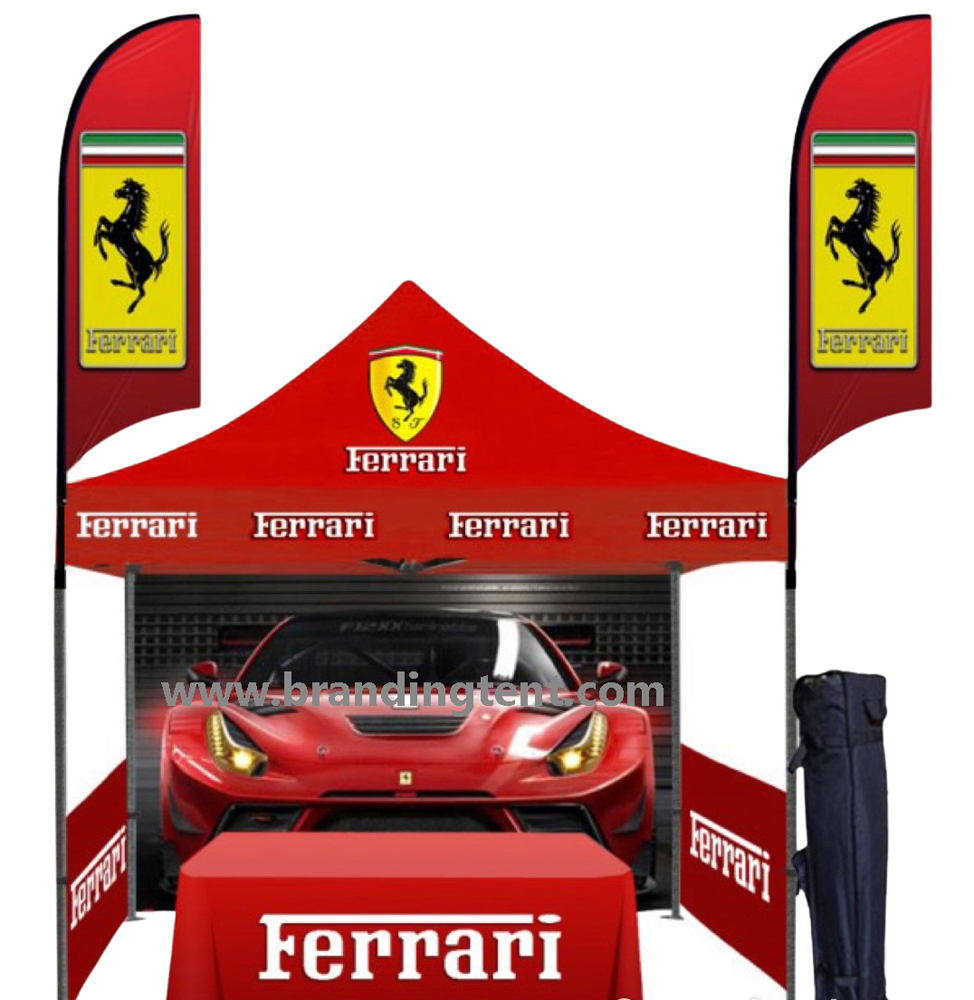
Custom Pagoda Tents
High-peak marquees, 3×3-6x6m, connectable
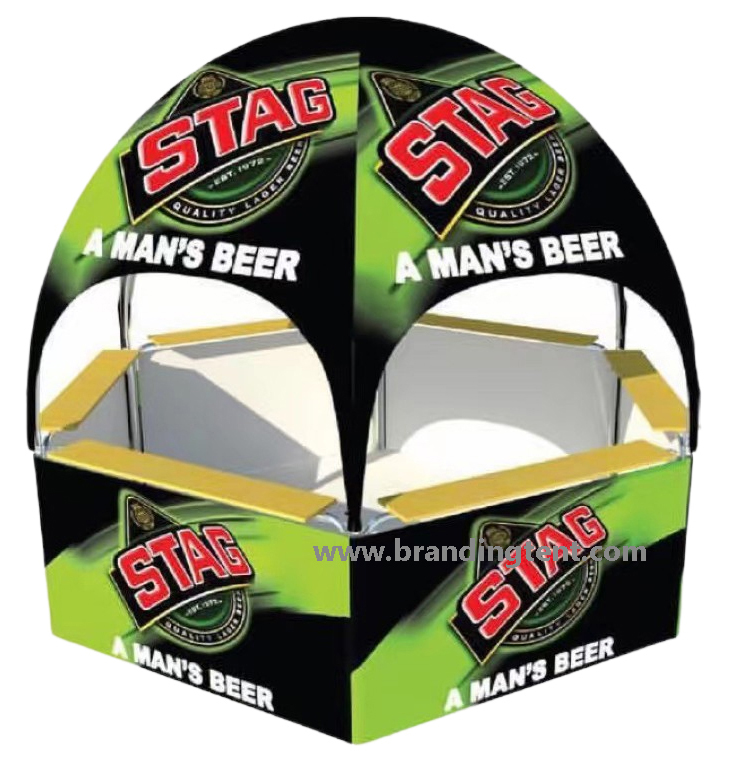
Custom Dome Tents
360-degree brand stages for events
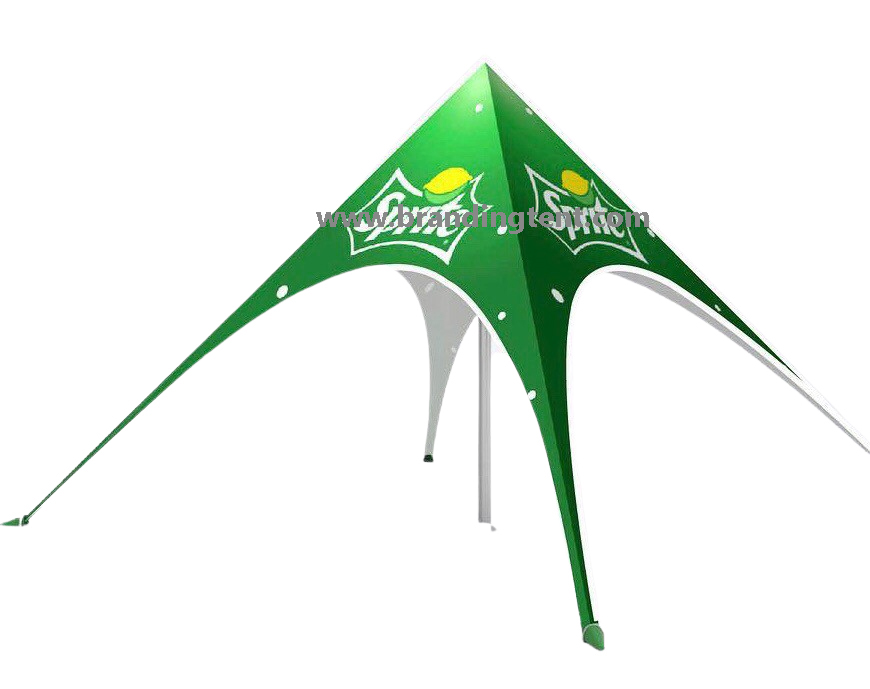
Custom Star Tents
Star shade canopies built to order
More: gazebo vs canopy vs marquee · canopy tent sizes guide · waterproof guide · full FAQ
Tell us your event scenario, size and logo file — our tent specialists reply within 1 hour, 24×7 online service, with a free mockup, written specifications and factory-direct pricing.
Most start with 3x3m units for welcome, outreach and fundraiser stations; fellowship meals step up to 5x5m or 6x6m pagoda modules, or two 3x3m joined by a gutter. Size by volunteer crew as much as by guest count.
A 3x3m pop-up raises with one or two people in 10-20 minutes; a 6x6m pagoda wants three or four. Train two dedicated people rather than spreading skills thinly — depth survives volunteer turnover.
If your calendar uses tents three or more times a year, ownership wins on arithmetic; the recurring community calendar is the classic ownership case. Rent only for one-off mega-events beyond your fleet.
Schools, halls and council venues typically require flame-retardant documentation; outdoor parish events less often. Order the certificate with the tents once, file it per kit, and the question stops appearing.
Dry fully, fold along seams, and bag complete kits — tent, walls, weights, stakes — as one labeled bundle per storage slot. A dry, accessible space beats a big one; wet-bagged tents mold on schedule.
Yes — full-color dye-sublimation on roof, valance and walls, Pantone matched, plus matching table covers and flags. One factory for the whole kit keeps colors consistent across every event and every year of reorders.