Phone:
0086-757-8938 9313
Email:
Address:
Caochang Industrial Zone, Liguang Rd, Lishui, Nanhai, Foshan, Guangdong, China
24/7 online services

Phone:
0086-757-8938 9313
Email:
Address:
Caochang Industrial Zone, Liguang Rd, Lishui, Nanhai, Foshan, Guangdong, China
24/7 online services
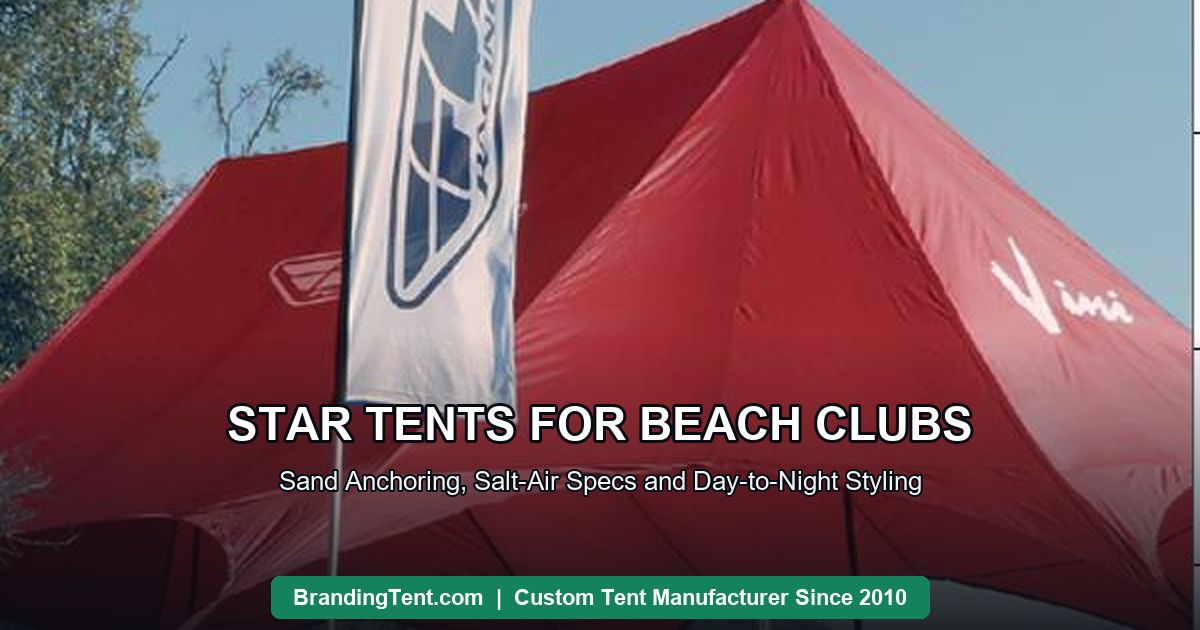
Beach clubs live on a simple economy: guests pay for the view, and the view photographs best under something beautiful. The star tent is that something — a radiating shade canopy that reads from the shoreline, hosts a full day of service, and turns into a lit lantern by night. But coastal duty is the industry’s toughest assignment: salt attacks metal, sand refuses stakes, wind arrives uninvited, and everything must survive sunrise to last call, seven days a week. This guide covers why star structures suit beach clubs and resorts, the sand-and-salt specifications that actually last, layouts for dining and lounging, and the day-to-night styling loop that keeps guests posting.
1. Open perimeter, real shade. No legs inside the footprint means loungers, tables and service paths flow naturally — exactly what a beach deck does.
2. A skyline guests photograph. The radiating silhouette against sky or sunset is the free marketing a beach club is really selling.
3. Day-to-night transformation. String lights along the arms at dusk turn the same structure into the evening’s ambient feature — one install, two businesses.
1. Frame: aluminum, always. Salt air destroys steel’s coating on schedule; anodized aluminum shrugs at it. This is the one spec where the coastal answer is non-negotiable (see the frame guide).
2. Fabric: PU-coated oxford with UV reality. 420D-600D with PU coating for day-in, day-out sun and spray; plan canopy replacement cycles honestly — coastal UV is the fastest fade in the industry.
3. Anchoring: sand changes the math. Stakes struggle in loose sand; plan sand screws or double-mass ballast at every point, sized above the standard 15-25kg per point for exposure. The wind guide applies at full strength.
4. Hardware: rinse discipline. Zips, buckles and adjusters reward a fresh-water rinse at the end of a coastal season — ten minutes that buys years.
1. The lounge centerpiece. A 6m or 8m star with sofas and low tables at the center — the daytime club room.
2. The dining arc. Star canopy above, tables arranged along its shade arc; service routes run outside the anchor lines.
3. The event flip. The same structure becomes the party pavilion for weddings and DJ sets — the beach club’s second revenue shift, enabled by lighting rather than rebuilding.
4. The poolside pair. Two 5m stars flanking the deck edge — symmetric shade, double the photogenic silhouette.
Morning: structure alone, print and sky doing the work; loungers positioned into the shade arc as the sun moves. Afternoon: shade cloths and mist options for the hottest hours — small additions that extend the deck’s usable day. Dusk: string lights along the arms, warm uplights at the base, the signature photo moment. Night: the lit canopy as the venue’s lantern; staff routes lit separately. One structure, four scenes, zero rebuilds — the styling loop is the beach club’s product.
Honest cases: if the site demands a permanent structure — year-round weather, insurance and building codes — buy architecture, not tented shade. If the deck needs full enclosure with climate control, pagodas wall better than stars. And if hurricane-season exposure is unmanaged, no tent belongs on the deck during those months — strike the fleet, store it dry, and reinstall on schedule. The coastal star tent is a seasonal performer with a written weather calendar, and clubs that respect the calendar get decades of service.
Beach clubs run tents on a calendar, and the calendar runs on weather. Pre-season: structures inspected, welds and zips checked, fabrics rinsed, anchor stock counted — sand screws and ballast resupplied before opening weekend, not after the first windy night. Peak season: daily check on anchor points and guy-line tension, weekly rinse of hardware, and a printed wind protocol posted where the crew actually stands.
Shoulder season: the honest window for canopy retirement decisions — faded fabric in October is a February order with buffer, and a January order without one. Off-season: strike, dry, store with the batch record so replacements match. Clubs that follow this loop buy canopies on schedule instead of in panics, and their decks open on time every spring — which, in the view of the guests, is simply what beach clubs do.
Beach club revenue is dwell time, and dwell time is comfort compounding hour by hour. The shade arc moves through the day; loungers that chase it stay occupied twice as long as loungers parked in sun. Air movement under the canopy matters as much as shade itself — an open perimeter star breathes where an enclosed structure stifles, which guests feel as breeze even when they cannot name the structure.
Layer three more: cool towels and water service on a schedule rather than on request; a clean, obvious path to the water; and music shaped to the hour. None of these are tent purchases — but all of them convert the structure’s shade into the thing guests are actually buying, which is an afternoon that does not end. The tent keeps its side of the bargain: shade, breeze, and a skyline worth photographing.
A beach club star tent is a seasonal asset with a simple contract: aluminum against salt, screws and mass against sand, PU-coated print against sun, and lights against dusk. Honor the contract and the structure pays in photographs, dwell time and a second evening business. The coast is the star tent’s natural habitat — provided the spec sheet knows where it lives.
A final coastal habit that pays compounding dividends: photograph the fleet at installation each season. The same structure under the same deck angle, once a year, becomes an inspection record — fabric fade, hardware corrosion and print aging all reveal themselves in the year-over-year view before guests notice them. Beach clubs that keep the album plan replacements from evidence instead of surprise, negotiate canopy refreshes with the batch record in hand, and hand their insurance schedules photographs instead of memories. The camera is the cheapest maintenance tool a coastal fleet will ever own, and it never asks for a raise. One last season-start ritual worth stealing: brief the front desk on the tent roster. Which structure is up, which zone it marks, what happens in wind, who to call. Ninety seconds of briefing turns every staffer into a spotter, and spotters are how small problems stay small on a deck where the wind changes its mind every afternoon. The fleet protects the guest experience; the briefing protects the fleet. Steal one more: the season-opening photo shoot — fleet dressed, deck empty, one wide frame from the waterline. It becomes the brochure image, the insurance record and the staff briefing slide, all from twenty minutes and one camera.
💬 Chat on WhatsApp Now✉ Email Us Now
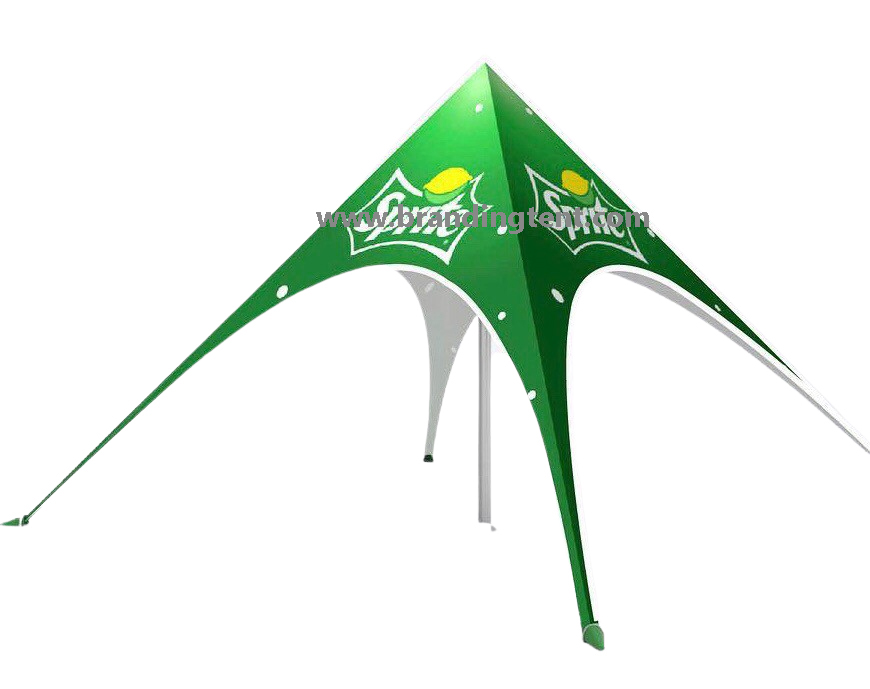
Custom Star Tents
Star shade canopies built to order
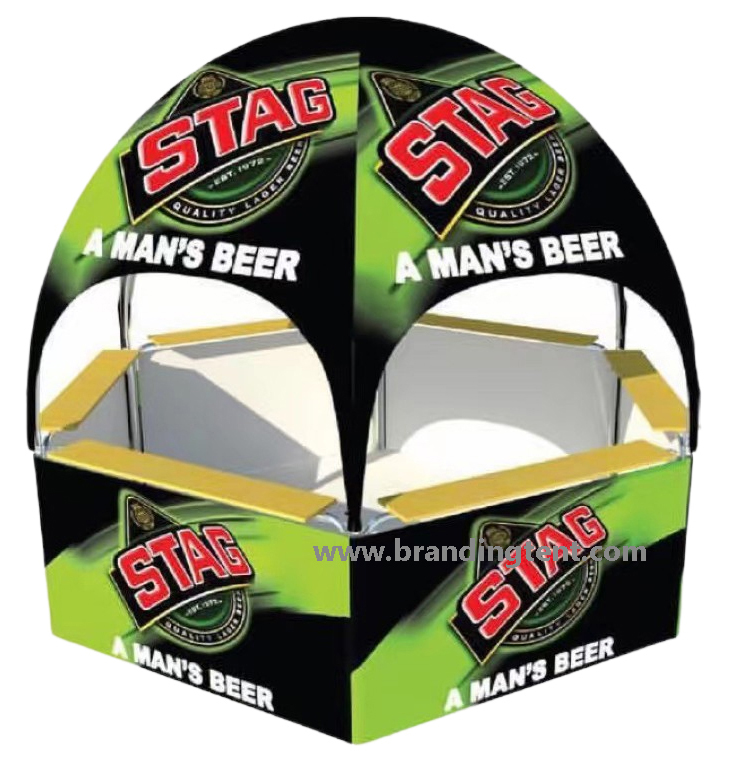
Custom Dome Tents
360-degree brand stages for events
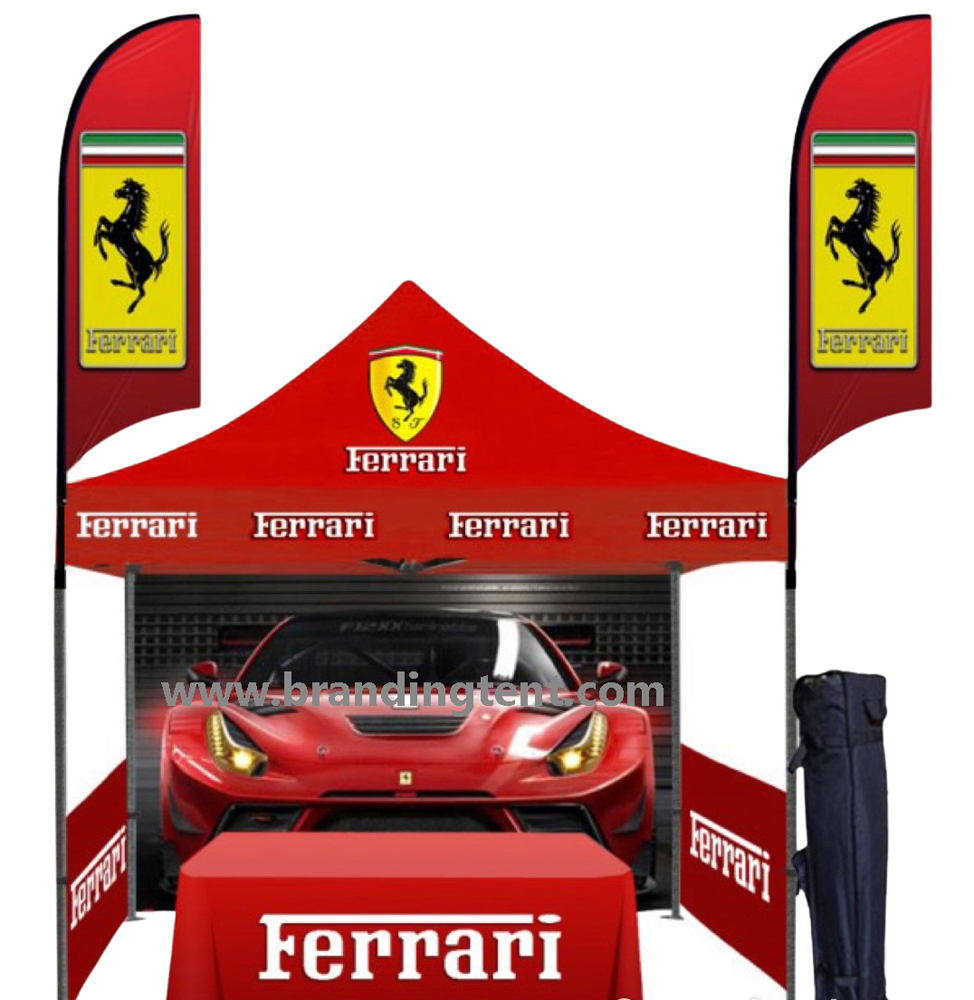
Custom Pagoda Tents
High-peak marquees, 3×3-6x6m, connectable
More: custom star tent buyer guide · star tent setup guide · star tents for dealerships · full FAQ
Tell us your event scenario, size and logo file — our tent specialists reply within 1 hour, 24×7 online service, with a free mockup, written specifications and factory-direct pricing.
A star shade tent on anodized aluminum: open perimeter for loungers and service, huge photogenic silhouette, full-print canopy and easy day-to-night lighting. For full enclosure needs, pagodas with walls shape better.
Sand screws or doubled ballast mass at every anchor point, sized above the standard 15-25kg for coastal exposure. Stakes alone rarely hold in loose sand — the anchor plan is part of the tent order.
With the right specs: anodized aluminum frames (never steel), PU-coated oxford canopies with honest UV replacement cycles, fresh-water rinses, and a written storm calendar. Respect those four and coastal fleets serve many seasons.
Tension structures handle normal coastal weather with proper anchoring and operating rules; severe forecasts mean strike and store, not heroics. The star setup sequence and wind protocol are the crew’s two essential documents.
5m and 6m stars for lounge centers and dining arcs; 8m for event flips and party pavilions; pairs flanking decks for symmetric photo moments. Size by furniture layout, not guest headcount alone.
Low MOQ accepted for samples; wholesale pricing scales from 5+ pieces. Sampling 3-7 working days after artwork approval, bulk 7-15 days — schedule deliveries before season openings.