Phone:
0086-757-8938 9313
Email:
Address:
Caochang Industrial Zone, Liguang Rd, Lishui, Nanhai, Foshan, Guangdong, China
24/7 online services

Phone:
0086-757-8938 9313
Email:
Address:
Caochang Industrial Zone, Liguang Rd, Lishui, Nanhai, Foshan, Guangdong, China
24/7 online services
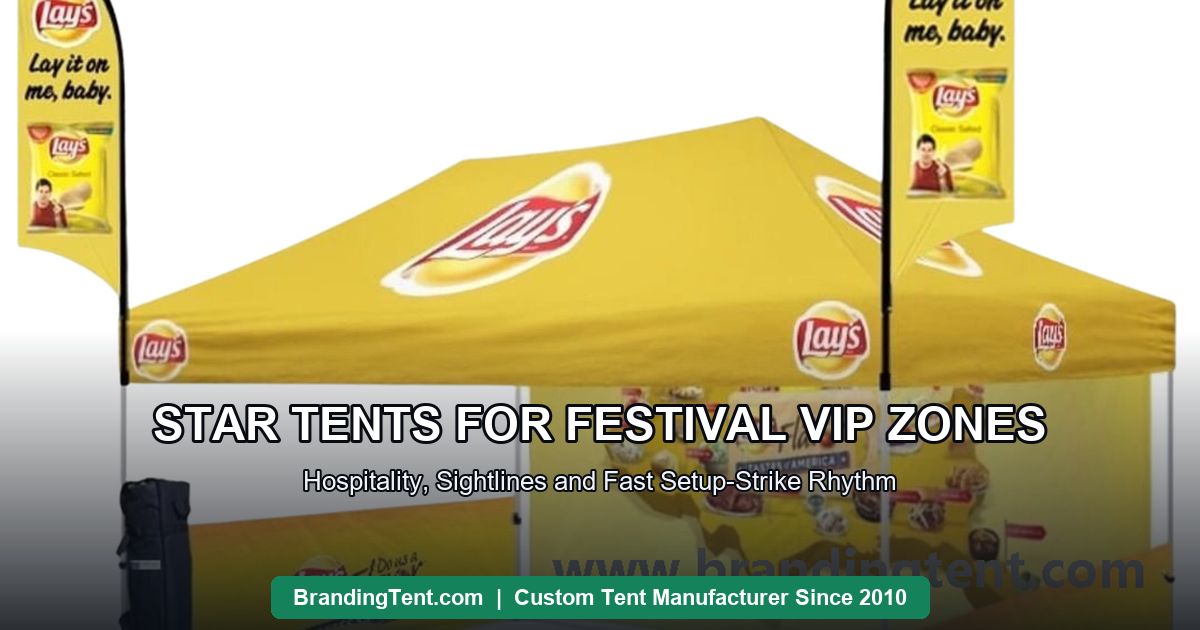
Festival VIP zones are a hospitality business wearing an event costume: sponsors, artists and press need shade, service and sightlines without losing the festival around them. The star tent solves that specific geometry better than any walled structure — an open perimeter keeps the crowd visible from inside and the brand visible from outside, while the radiating peak marks the zone from across a field. But festival duty is a stress test: build windows measured in hours, weather that changes its mind, and strike deadlines set by the next act. This guide covers why promoters standardize on star structures for VIP, the kit list that survives the weekend, and the setup-strike rhythm festival calendars actually require.
1. Open perimeter = premium feel. Walls enclose; the star tent hosts. Guests circulate between bar, seating and the stage edge without crossing a threshold — VIP that still feels like festival.
2. The roof works as wayfinding. A printed peak is the landmark sponsors pay for: visible from the main stage, the queue and the drone.
3. Shade is the actual product. Between-sets hours are spent in the zone; the difference between a star canopy and an umbrella cluster is the difference between a lounge and a parking lot of shade.
1. Anchoring that respects the site. Grass fields take stakes plus guy lines; hard-standing zones take ballast at every point. Festival anchors travel as counted, labeled kits — inventory discipline is what stops the Sunday-morning stake shortage.
2. Weather layers. Wind walls or half-walls staged on site, not pre-hung; the operating protocol from our wind guide applies with festival stakes (crowds around, so the amber/red rules matter more, not less).
3. Furniture that behaves. Bar counters, poseur tables, lounge clusters and a service route that works with the perimeter anchor lines — layout on paper before load-in.
4. Power and light. Zone lighting on its own circuit, canopy washes for after dark, and a power plan that survives the generator rota.
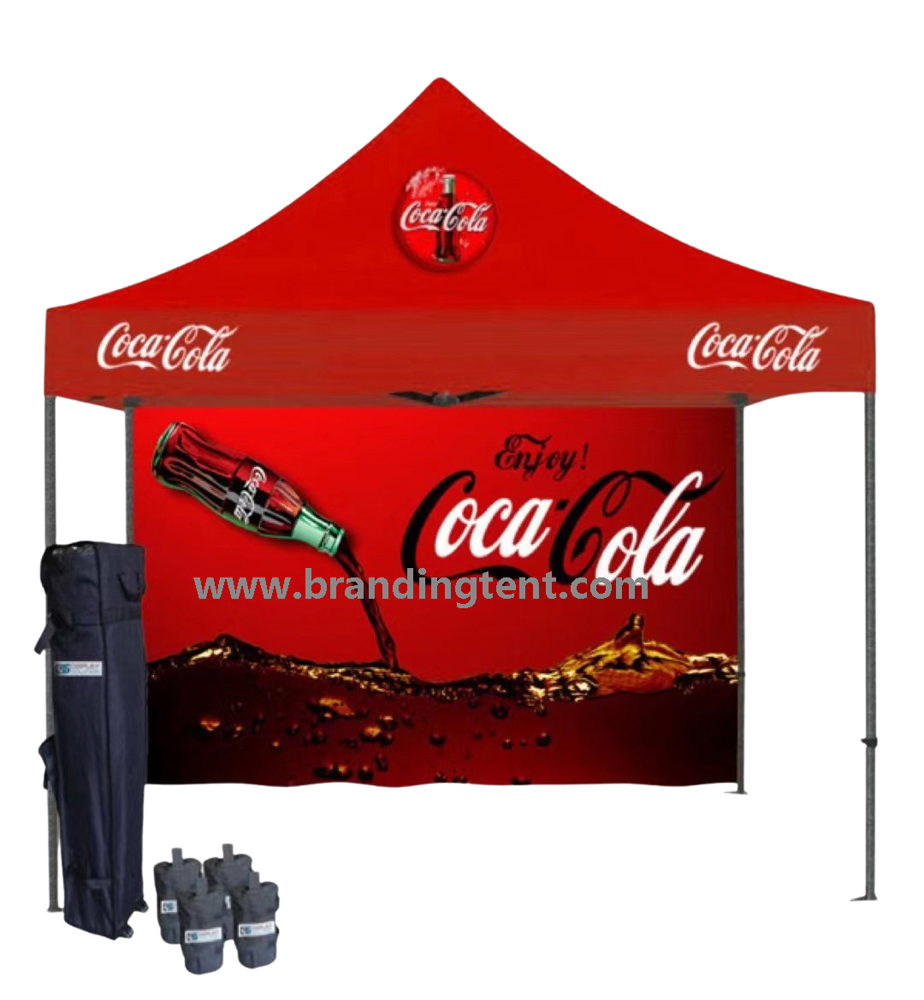
1. Build in the window the site gives. Zones often open before the gates and close after load-out — star tents raise in 20-40 minutes per unit, which is why they beat walled structures on tight festival schedules.
2. Strike fast, pack disciplined. Festival strike is a chain — release, lower, dry if the dew won, fold, count. Crews that own the rhythm beat crews that improvise, every single morning.
3. Plan the Sunday inventory. The Monday-after kit count is how festivals decide next year’s supplier; counted kits survive, improvised ones leak stakes and adjusters.
Honest limits: if sponsors contractually need enclosed, lockable or climate-controlled space, walls-first structures (pagodas with full wall systems) serve better even at the cost of sightlines. If the zone is a photo set rather than a lounge, a faceted dome may stage better. And weather-season festivals should own the take-down trigger in writing before the first guest arrives — the VIP zone is often the last place promoters want to improvise safety, and the first place the wind finds.
VIP zones are usually somebody else’s budget line, which means the zone owes its sponsors reported value. The deliverables are simpler than the politics: branded sightlines (the sponsor logo in the shot behind every interview), counted hospitality (foot traffic, servings, dwell time), and photographs — the currency sponsors actually take home.
Design the zone to pay those debts automatically: place the bar under the printed canopy so every drink photo carries the brand; frame the seating so the stage and the sponsor wall share every angle; brief the photographer on the three required frames before the gates open. A VIP zone that reports its numbers by Monday rebooks for next season before the site is struck — which is how a hospitality canopy becomes a recurring line item instead of a one-off experiment.
VIP zones serve two populations, and the second one negotiates harder. Artists and their teams pass through between sets — their needs are speed and quiet: a shade structure positioned on the shortest route from stage to transport, with a walled module for calls and a hold area that is genuinely held. Press follows the same paths and works from the same shade; a zone that gives press a working position with sightlines earns coverage that no banner buys.
The operational rule that keeps both populations happy: separate flows on paper before load-in. Guest entry, artist transit and service routes should cross as little as possible, and the star tent’s open perimeter is the asset that makes flow design possible — no legs inside the footprint means no forced detours. Zones that respect transit get recommended to the next tour; festival hospitality is a word-of-mouth business wearing a lanyard.
VIP zones sell belonging: shade, service and a sightline that keeps the festival visible. The star tent delivers exactly that geometry — landmark peak, open perimeter, fast raises — provided the kit respects festival duty and the crew respects the rhythm. Build it counted, light it warm, and strike it dry; the zone that runs like clockwork is the zone sponsors rebook.
One final promoter’s note: the VIP zone is the festival’s handshake — it is where partners and press form their opinion of next year’s budget conversation. Structure communicates that opinion before catering does, which is why the zone deserves its own line in the production plan rather than the corner of somebody else’s. The star tent earns that line honestly: landmark silhouette for the site maps, open perimeter for the sightlines partners ask about, fast raise for the schedule nobody can move. Budget the zone like the relationship it is, and the relationship — and the rebooking — tend to take care of themselves before the lights come down. One field note from the rebooking side of the industry: zones get renewed on spreadsheets, but they get remembered as photographs. Keep a share folder of the season’s zone shots — the branded peak behind the interview, the bar in golden hour, the queue under shade. When budget season arrives, the folder argues better than any deck, because sponsors see themselves in it. The zone sold next year is usually the zone documented this year. And budget the documentation: one shooter, thirty minutes at peak, three required frames plus one candid per sponsor. That single line item has rebooked more zones than any discount ever offered — because the argument for next season is not a pitch when it is already a photo album. Budget the print refresh the same way: sponsor artwork updates yearly, and the zone that ships new graphics with the old album looks fresher than the invoice says.
💬 Chat on WhatsApp Now✉ Email Us Now
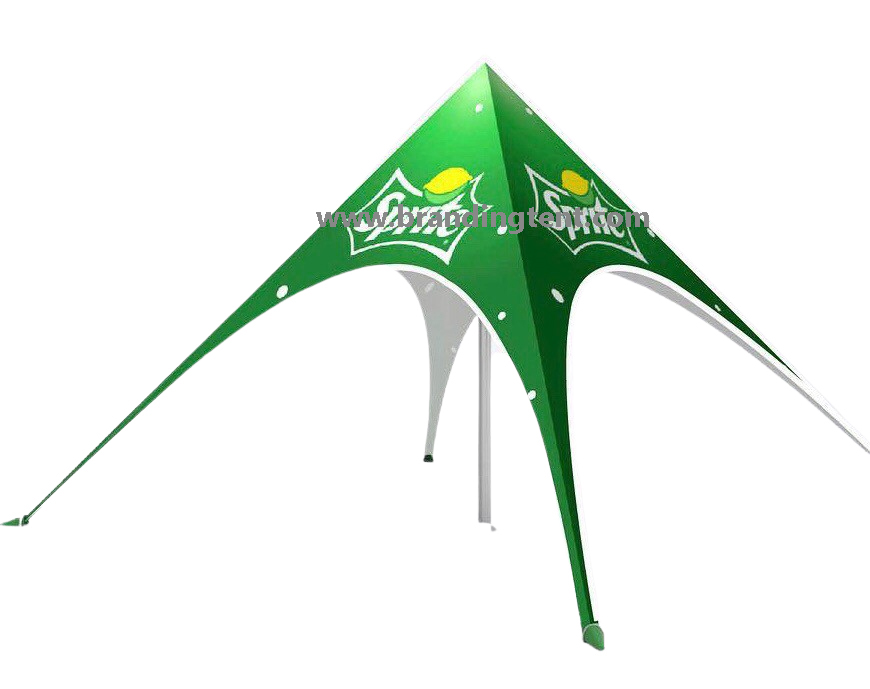
Custom Star Tents
Star shade canopies built to order
Custom Pagoda Tents
High-peak marquees, 3×3-6x6m, connectable
Custom Dome Tents
360-degree brand stages for events
More: custom star tent buyer guide · star tent setup guide · double pole star tents · full FAQ
Tell us your event scenario, size and logo file — our tent specialists reply within 1 hour, 24×7 online service, with a free mockup, written specifications and factory-direct pricing.
Open perimeter keeps the festival visible from inside and the brand from outside; the radiating peak acts as wayfinding; and the structure raises fast inside tight build windows.
One 6m or 8m star hosts a lounge with bar service for 30-70 guests; larger zones run dome or star clusters with doubled perimeter anchor planning. Size by furniture layout and service routes.
Grass fields: stakes plus guy lines at every arm point. Hard standing: ballast 15-25kg per point, upsized for exposure. Festival kits travel labeled and counted — inventory discipline is the difference between Saturday and Sunday.
They handle normal festival conditions with anchoring and operating discipline; forecasts with severe gusts mean staged walls, lowered legs, and take-down triggers respected in writing — the wind guide is mandatory crew reading.
Bar counters, poseur and lounge furniture arranged along the shade arc, zone lighting on its own circuit, canopy washes after dark, and climate gear by forecast. Layout follows the anchor lines.
Low MOQ accepted for samples; fleet pricing scales from 5+ pieces. Sampling 3-7 working days after artwork approval, bulk 7-15 days — order before season, not during load-in week.